

• About Us
  • Contact Us
  • Terms & Conditions
  • Privacy Policy
Technology Hive
  • Home
  • Technology
  • Artificial Intelligence (AI)
  • Cyber Security
  • Machine Learning
  • More
    • Deep Learning
    • AI in Healthcare
    • AI Regulations & Policies
    • Business
    • Cloud Computing
    • Ethics & Society
No Result
View All Result
  • Home
  • Technology
  • Artificial Intelligence (AI)
  • Cyber Security
  • Machine Learning
  • More
    • Deep Learning
    • AI in Healthcare
    • AI Regulations & Policies
    • Business
    • Cloud Computing
    • Ethics & Society
No Result
View All Result
Technology Hive
No Result
View All Result
Home Artificial Intelligence (AI)

High Security Cost of Adoption

Adam Smith – Tech Writer & Blogger by Adam Smith – Tech Writer & Blogger
September 24, 2025
in Artificial Intelligence (AI)
0
High Security Cost of Adoption
0
SHARES
0
VIEWS
Share on FacebookShare on Twitter

Introduction to Generative AI in Retail

The retail industry has seen a significant increase in the adoption of generative AI, with 95% of organizations now using these applications. This is a huge jump from 73% just a year ago, showing how quickly retailers are moving to avoid being left behind. However, this rapid adoption comes with a dark side, as organizations are creating a massive new surface for cyberattacks and sensitive data leaks.

The Rise of Generative AI in Retail

According to a report by cybersecurity firm Netskope, the retail sector has all but universally adopted generative AI technology. The report’s findings show a sector in transition, moving from chaotic early adoption to a more controlled, corporate-led approach. There’s been a shift away from staff using their personal AI accounts, which has more than halved from 74% to 36% since the beginning of the year. In its place, usage of company-approved GenAI tools has more than doubled, climbing from 21% to 52% in the same timeframe.

Popular Generative AI Tools in Retail

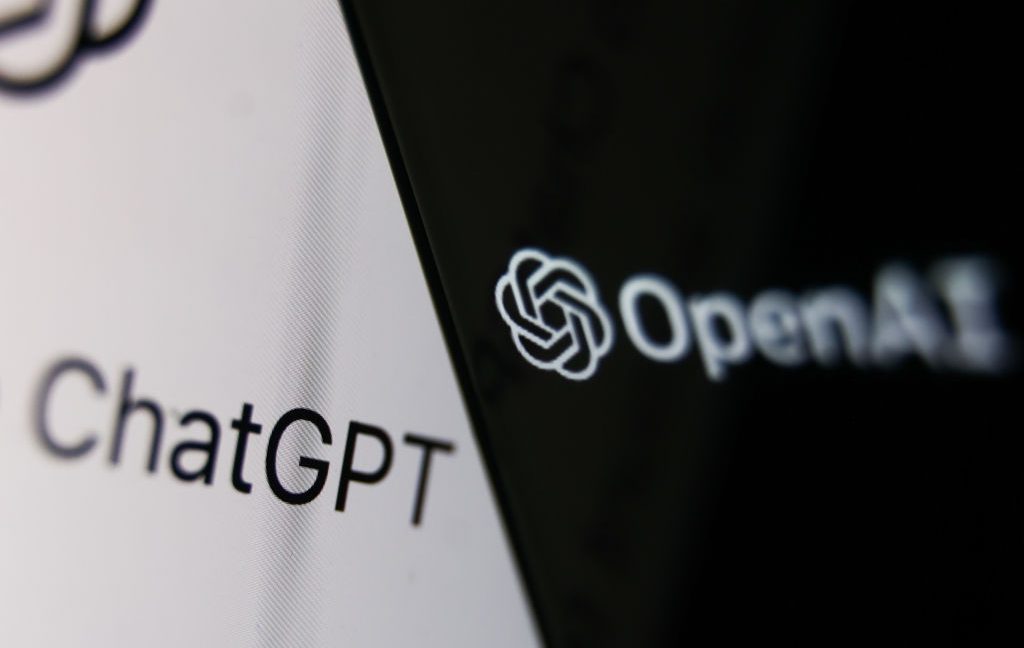
In the battle for the retail desktop, ChatGPT remains the most popular tool, used by 81% of organizations. However, its dominance is not absolute, with Google Gemini and Microsoft’s Copilot tools also gaining traction. Google Gemini has been adopted by 60% of organizations, while Microsoft 365 Copilot’s usage has surged, likely due to its deep integration with productivity tools.

Security Risks Associated with Generative AI

Beneath the surface of generative AI adoption lies a growing security nightmare. The ability of these tools to process information is also their biggest weakness, as retailers are seeing alarming amounts of sensitive data being fed into them. The most common type of data exposed is the company’s own source code, making up 47% of all data policy violations in GenAI apps. Regulated data, such as confidential customer and business information, accounts for 39% of data policy violations.

Retailers’ Response to Security Risks

In response to these security risks, a growing number of retailers are banning apps they deem too risky. The app most frequently finding itself on the blocklist is ZeroGPT, with 47% of organizations banning it over concerns it stores user content and has even been caught redirecting data to third-party sites. Retailers are also moving towards more serious, enterprise-grade generative AI platforms from major cloud providers, which offer greater control and allow companies to host models privately and build their own custom tools.

Cloud Security Hygiene

The threat isn’t just from employees using AI in their browsers. The report finds that 63% of organizations are now connecting directly to OpenAI’s API, embedding AI deep into their backend systems and automated workflows. This AI-specific risk is part of a wider, troubling pattern of poor cloud security hygiene. Attackers are increasingly using trusted names to deliver malware, knowing that an employee is more likely to click a link from a familiar service.

Conclusion

The retail industry’s adoption of generative AI is a double-edged sword. While it offers many benefits, it also creates a massive new surface for cyberattacks and sensitive data leaks. Retailers must act decisively to gain full visibility of all web traffic, block high-risk applications, and enforce strict data protection policies to control what information can be sent where. Without adequate governance, the next innovation could easily become the next headline-making breach.

FAQs

Q: What percentage of retail organizations are using generative AI applications?
A: 95% of retail organizations are using generative AI applications.
Q: What is the most popular generative AI tool in retail?
A: ChatGPT is the most popular generative AI tool in retail, used by 81% of organizations.
Q: What is the most common type of data exposed in generative AI apps?
A: The most common type of data exposed is the company’s own source code, making up 47% of all data policy violations in GenAI apps.
Q: How are retailers responding to security risks associated with generative AI?
A: Retailers are banning apps they deem too risky, moving towards enterprise-grade generative AI platforms, and enforcing strict data protection policies.
Q: What is the biggest weakness of generative AI tools?
A: The ability of generative AI tools to process information is also their biggest weakness, as it creates a risk of sensitive data being exposed.

Previous Post

Python 3.14 Unleashes Multicore Concurrency on Par with Go Lang

Next Post

What Drives OpenAI’s Need for Multiple Giant Data Centers?

Adam Smith – Tech Writer & Blogger

Adam Smith – Tech Writer & Blogger

Adam Smith is a passionate technology writer with a keen interest in emerging trends, gadgets, and software innovations. With over five years of experience in tech journalism, he has contributed insightful articles to leading tech blogs and online publications. His expertise covers a wide range of topics, including artificial intelligence, cybersecurity, mobile technology, and the latest advancements in consumer electronics. Adam excels in breaking down complex technical concepts into engaging and easy-to-understand content for a diverse audience. Beyond writing, he enjoys testing new gadgets, reviewing software, and staying up to date with the ever-evolving tech industry. His goal is to inform and inspire readers with in-depth analysis and practical insights into the digital world.

Related Posts

Agencies Boost Client Capacity with AI-Powered Workflows
Artificial Intelligence (AI)

Agencies Boost Client Capacity with AI-Powered Workflows

by Adam Smith – Tech Writer & Blogger
December 19, 2025
Zara’s AI Revolution in Retail Workflows
Artificial Intelligence (AI)

Zara’s AI Revolution in Retail Workflows

by Adam Smith – Tech Writer & Blogger
December 19, 2025
China figured out how to sell EVs, now it has to bury their batteries
Artificial Intelligence (AI)

China figured out how to sell EVs, now it has to bury their batteries

by Adam Smith – Tech Writer & Blogger
December 18, 2025
Guided Learning Unlocks Potential of “Untrainable” Neural Networks
Artificial Intelligence (AI)

Guided Learning Unlocks Potential of “Untrainable” Neural Networks

by Adam Smith – Tech Writer & Blogger
December 18, 2025
Wall Street’s AI Gains Mean Fewer Bank Jobs
Artificial Intelligence (AI)

Wall Street’s AI Gains Mean Fewer Bank Jobs

by Adam Smith – Tech Writer & Blogger
December 18, 2025
Next Post
What Drives OpenAI’s Need for Multiple Giant Data Centers?

What Drives OpenAI's Need for Multiple Giant Data Centers?

Leave a Reply Cancel reply

Your email address will not be published. Required fields are marked *

Latest Articles

ChatGPT users hate GPT-5’s “overworked secretary” energy, miss their GPT-4 buddy

ChatGPT users hate GPT-5’s “overworked secretary” energy, miss their GPT-4 buddy

August 9, 2025
Nudify App’s Plan to Dominate Deepfake Porn Hinges on Reddit

Nudify App’s Plan to Dominate Deepfake Porn Hinges on Reddit

July 1, 2025
Huawei’s Shanghai Acoustics Lab: Automotive Sound Meets Science

Huawei’s Shanghai Acoustics Lab: Automotive Sound Meets Science

September 30, 2025

Browse by Category

  • AI in Healthcare
  • AI Regulations & Policies
  • Artificial Intelligence (AI)
  • Business
  • Cloud Computing
  • Cyber Security
  • Deep Learning
  • Ethics & Society
  • Machine Learning
  • Technology
Technology Hive

Welcome to Technology Hive, your go-to source for the latest insights, trends, and innovations in technology and artificial intelligence. We are a dynamic digital magazine dedicated to exploring the ever-evolving landscape of AI, emerging technologies, and their impact on industries and everyday life.

Categories

  • AI in Healthcare
  • AI Regulations & Policies
  • Artificial Intelligence (AI)
  • Business
  • Cloud Computing
  • Cyber Security
  • Deep Learning
  • Ethics & Society
  • Machine Learning
  • Technology

Recent Posts

  • Google Sues Search Result Scraping Firm SerpApi
  • LG TVs’ Unremovable Copilot Shortcut Issue
  • AI Coding Agents Rebuild Minesweeper with Explosive Results
  • Agencies Boost Client Capacity with AI-Powered Workflows
  • 50,000 Copilot Licences for Indian Firms

Our Newsletter

Subscribe Us To Receive Our Latest News Directly In Your Inbox!

We don’t spam! Read our privacy policy for more info.

Check your inbox or spam folder to confirm your subscription.

© Copyright 2025. All Right Reserved By Technology Hive.

No Result
View All Result
  • Home
  • Technology
  • Artificial Intelligence (AI)
  • Cyber Security
  • Machine Learning
  • AI in Healthcare
  • AI Regulations & Policies
  • Business
  • Cloud Computing
  • Ethics & Society
  • Deep Learning

© Copyright 2025. All Right Reserved By Technology Hive.

Are you sure want to unlock this post?
Unlock left : 0
Are you sure want to cancel subscription?