


Introduction to Next-Generation Batteries
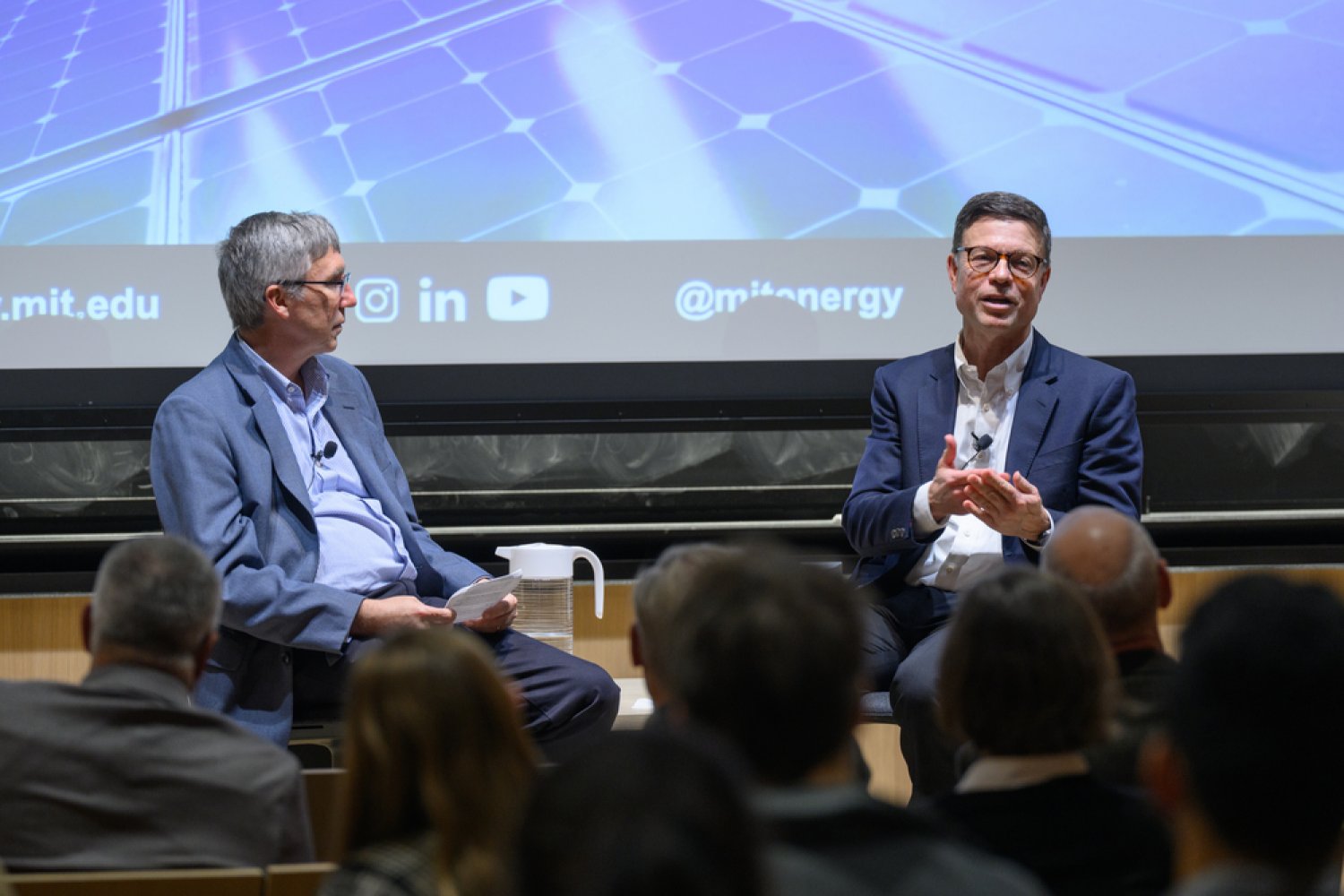
Advancements in battery innovation are transforming both mobility and energy systems alike, according to Kurt Kelty, vice president of battery, propulsion, and sustainability at General Motors (GM). At the MIT Energy Initiative (MITEI) Fall Colloquium, Kelty explored how GM is bringing next-generation battery technologies from lab to commercialization, driving American battery innovation forward.
Focus Areas for GM’s Battery Team
At GM, Kelty’s team is primarily focused on three things:
- improving affordability to get more electric vehicles (EVs) on the road.
- improving battery performance, including charging speed and energy density.
- localizing the supply chain.
The cost of batteries makes up about 30 percent of the cost of the vehicle, so driving down this cost is crucial. Additionally, building up resilience and independence in North America, rather than relying on materials from China, is a key goal.
Virtualization and Research
To aid their efforts, resources are being poured into the virtualization space, significantly cutting down on time dedicated to research and development. Now, Kelty’s team can do modeling up front using artificial intelligence, reducing what previously would have taken months to a couple of days. This allows them to quickly model the effects of changes, such as modifying the nickel content, on energy density, safety, and charge capability at the cell, pack, and vehicle levels.
Breakthrough in Lithium Manganese-Rich (LMR) Batteries
Kelty revealed that they have found a solution that addresses affordability, accessibility, and commercialization: lithium manganese-rich (LMR) batteries. LMR batteries reduce the amount of nickel and add more manganese, driving the cost of batteries down while maintaining range. This is a breakthrough because the cost is comparable to lithium-iron-phosphate (LFP) batteries, which are known for low cost, high cycle life, and high safety, but with a range closer to high-nickel batteries.
Commercialization of LMR Batteries
LMR batteries are not new, but there have been challenges to adopting them. Now that GM has figured out commercialization, they will be the first to market these batteries in their EVs in 2028. This is a significant step forward in making EVs more affordable and accessible.
Future of Vehicle-to-Grid Technologies
Kelty also expressed excitement over the use of vehicle-to-grid technologies in the future. Using a bidirectional charger with a two-way flow of energy, EVs could charge, but also send power from their batteries back to the electrical grid. This would allow customers to charge their vehicles at night when electricity prices are low and discharge it during the day when electricity rates are high.
Extension into Grid-Scale Energy Storage
In addition to working in the transportation sector, GM is exploring ways to extend their battery expertise into applications in grid-scale energy storage. This is a growing market due to data center growth, and GM sees an opportunity to make a significant impact.
Conclusion
Kurt Kelty remains optimistic about the future of battery manufacturing and EVs in the United States. With the technology and innovation in place, and manufacturing growing, there is tremendous opportunity to build a massive battery industry. The key is to take advantage of this opportunity and drive American battery innovation forward.
FAQs
- Q: What is the main focus of GM’s battery team?
A: The main focus is on improving affordability, improving battery performance, and localizing the supply chain. - Q: What is the significance of LMR batteries?
A: LMR batteries reduce the cost of batteries while maintaining range, making them a breakthrough in affordability and accessibility. - Q: What is the future of vehicle-to-grid technologies?
A: Vehicle-to-grid technologies will allow EVs to charge and send power back to the grid, allowing customers to take advantage of low electricity prices at night and high prices during the day. - Q: Is GM exploring applications beyond the transportation sector?
A: Yes, GM is exploring ways to extend their battery expertise into grid-scale energy storage, a growing market due to data center growth.