


Introduction to AI Weather Forecasting
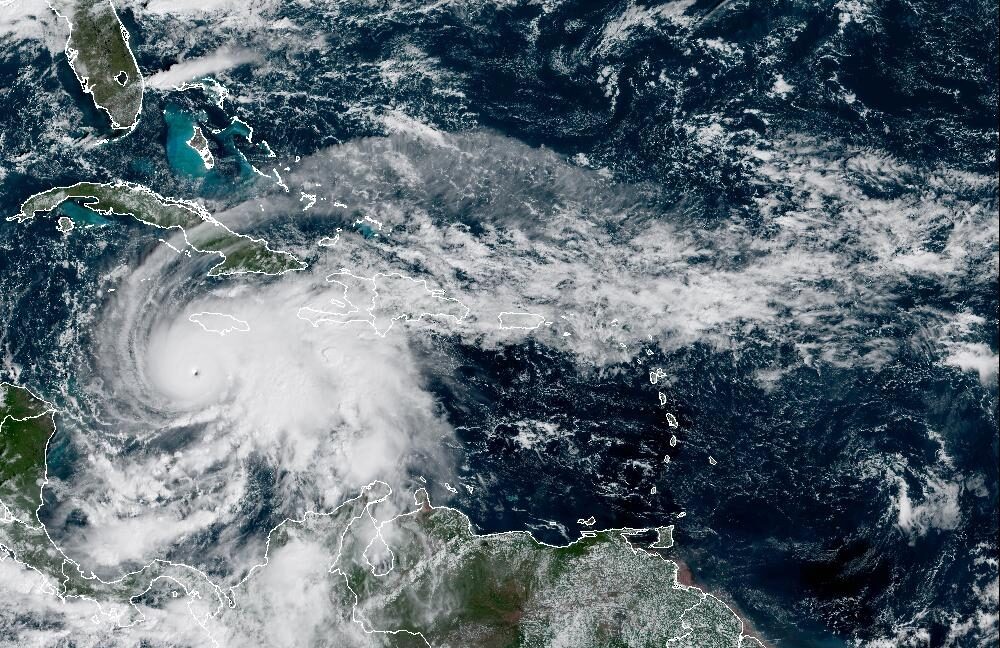
The field of weather forecasting is undergoing a significant transformation with the introduction of artificial intelligence (AI) models. A recent comparison of early models has shown that Google’s DeepMind AI model is outperforming traditional physics-based models in predicting hurricane tracks. Although the "gold standard" European Centre for Medium-Range Weather Forecasts (ECMWF) model was not included in the comparison, it typically does not perform better than the hurricane center or consensus models, which weigh several different model outputs.
How DeepMind is Changing Forecasting
DeepMind did exceptionally well in intensity forecasting, which is the fluctuations in the strength of a hurricane. In its first season, it accurately predicted both hurricane tracks and intensity. This is a significant breakthrough, as traditional physics-based models have been the norm for decades. The use of AI models like DeepMind is expected to revolutionize the field of weather forecasting, making it more accurate and efficient.
The Benefits of AI Weather Models
The AI-based weather models have several advantages over traditional physics-based models. They can produce forecasts much more quickly, without the need for expensive and advanced supercomputers. Additionally, these "smart" models can learn from their mistakes and correct on-the-fly, making them more accurate and reliable. Michael Lowry, a hurricane specialist, notes that the neural network architectures of these models allow them to learn and improve rapidly.
The Performance of the North American Model
In contrast, the North American model, also known as the GFS model, performed poorly this season. It is difficult to explain why it did so poorly, as it has been a worthy consideration in making forecasts in the past. Some have speculated that the lapse in data collection from government cuts could have been a contributing factor, but this would have affected other global physics-based models as well. The massive upgrade of the model’s dynamic core, which began in 2019, seems to have been a failure, and the GFS is now fading further and faster.
The Future of Weather Forecasting
As AI models like DeepMind continue to improve, they are likely to become a crucial part of weather forecasting. The use of AI models will enable forecasters to make more accurate predictions, which will help save lives and reduce damage from natural disasters. With the rapid advancement of technology, it is expected that AI models will play an increasingly important role in weather forecasting.
Conclusion
The introduction of AI models like DeepMind is revolutionizing the field of weather forecasting. With their ability to learn from mistakes and correct on-the-fly, these models are making forecasting more accurate and efficient. As the technology continues to improve, it is likely that AI models will become a crucial part of weather forecasting, enabling forecasters to make more accurate predictions and save lives.
FAQs
- Q: What is DeepMind, and how does it work?
A: DeepMind is an AI model developed by Google that uses neural networks to predict weather patterns. It learns from large datasets and can correct its mistakes on-the-fly. - Q: How accurate is DeepMind in predicting hurricane tracks?
A: DeepMind has been shown to be highly accurate in predicting hurricane tracks, outperforming traditional physics-based models. - Q: What is the difference between AI-based weather models and traditional physics-based models?
A: AI-based weather models use neural networks to learn from data, while traditional physics-based models rely on complex algorithms and expensive supercomputers. - Q: Will AI models replace human forecasters?
A: AI models will likely augment human forecasters, providing them with more accurate and efficient tools to make predictions.